
Remote battery checks
A stuck door with a dead opener is sometimes just a disconnected remote battery or a sensor knocked out of alignment - you can check that yourself. But a snapped torsion spring on a door this old is not a DIY job.
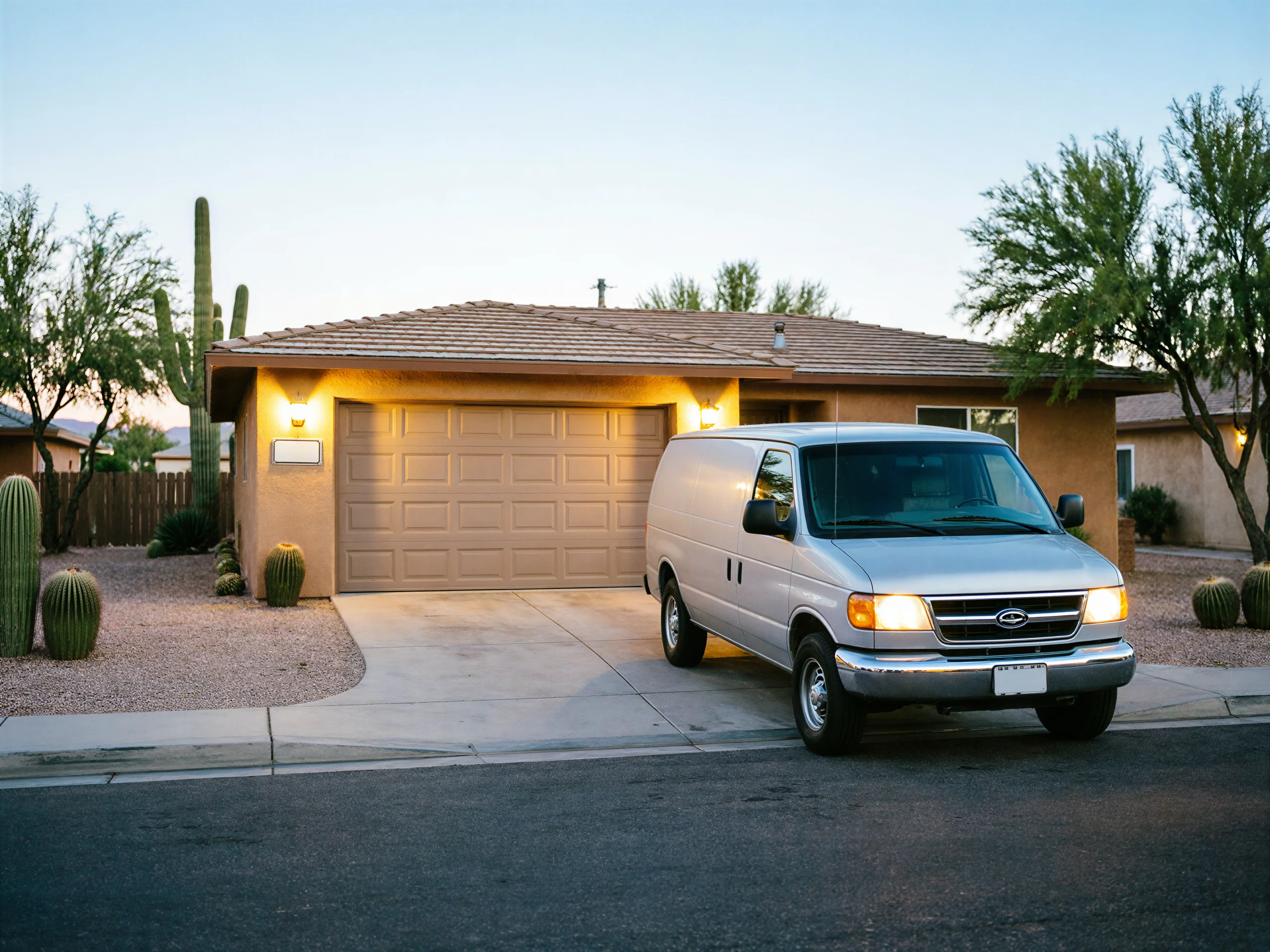
Flora Vista, Farmington
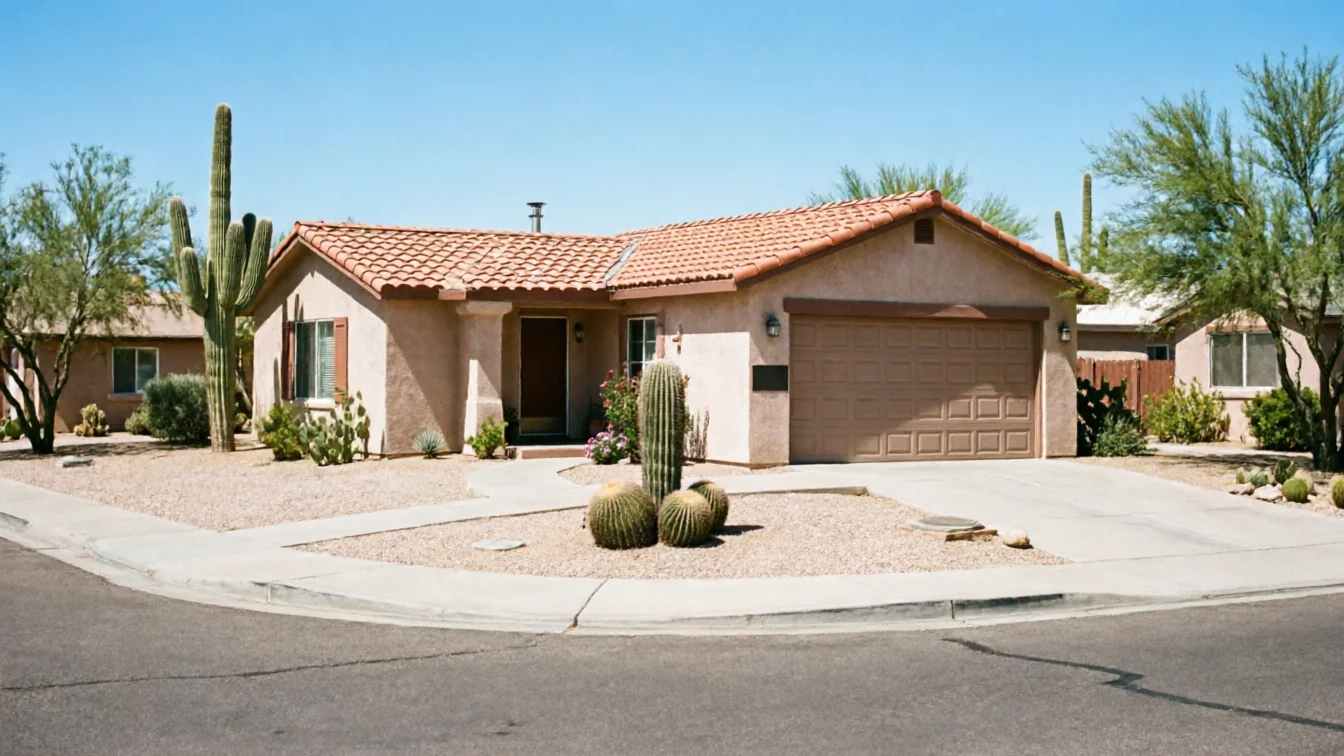
Flora Vista homes mostly went up around 1990, so original torsion springs and openers are often still in place 35 years later. Farmington Garage Door Pros covers the 6-mile run for emergency calls.
DIY or pro
If your door is from the 1990 wave of building that put up most of Flora Vista, you're dealing with hardware that's been in place for well over three decades.
A stuck door with a dead opener is sometimes just a disconnected remote battery or a sensor knocked out of alignment - you can check that yourself. But a snapped torsion spring on a door this old is not a DIY job.
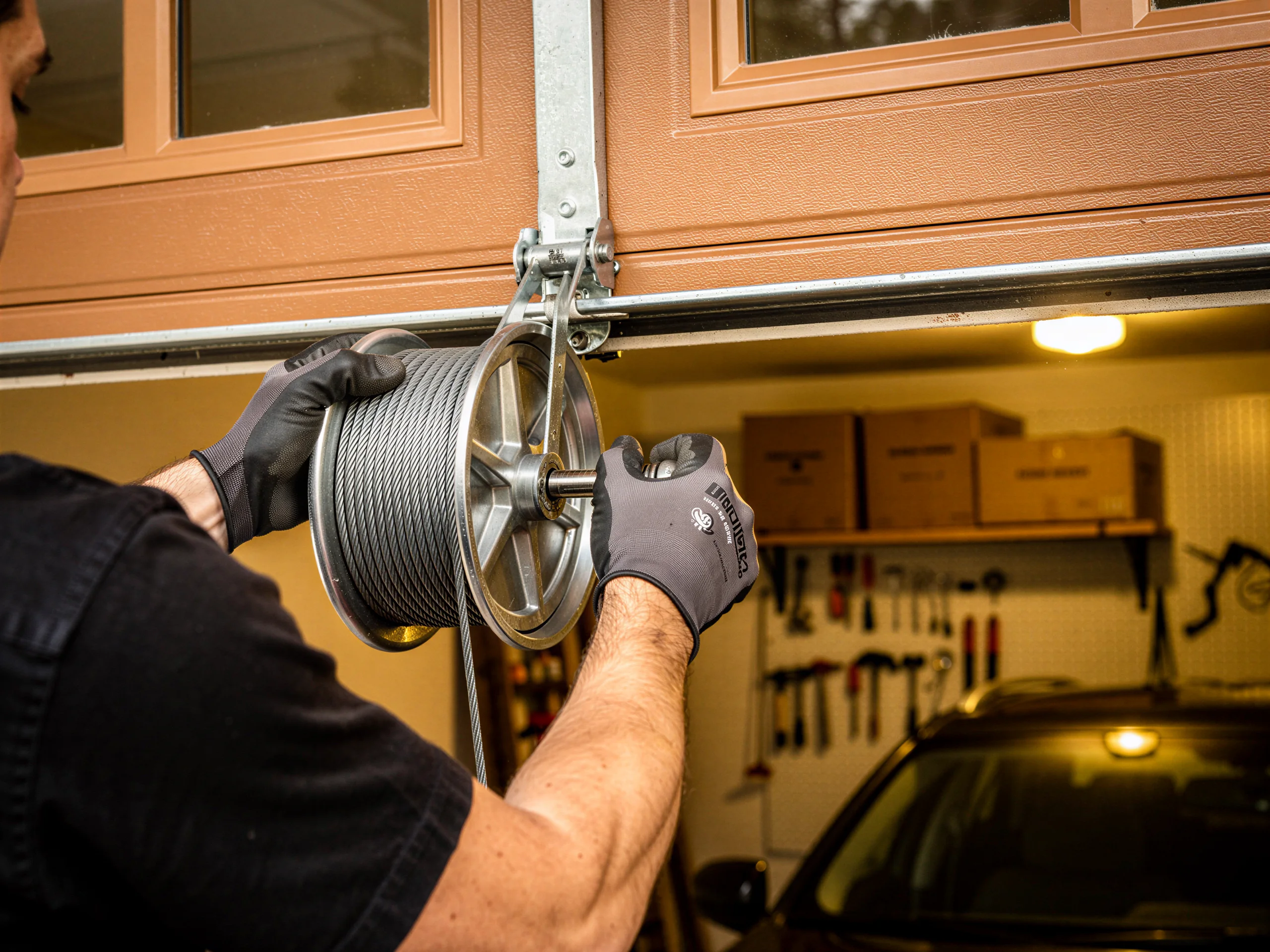
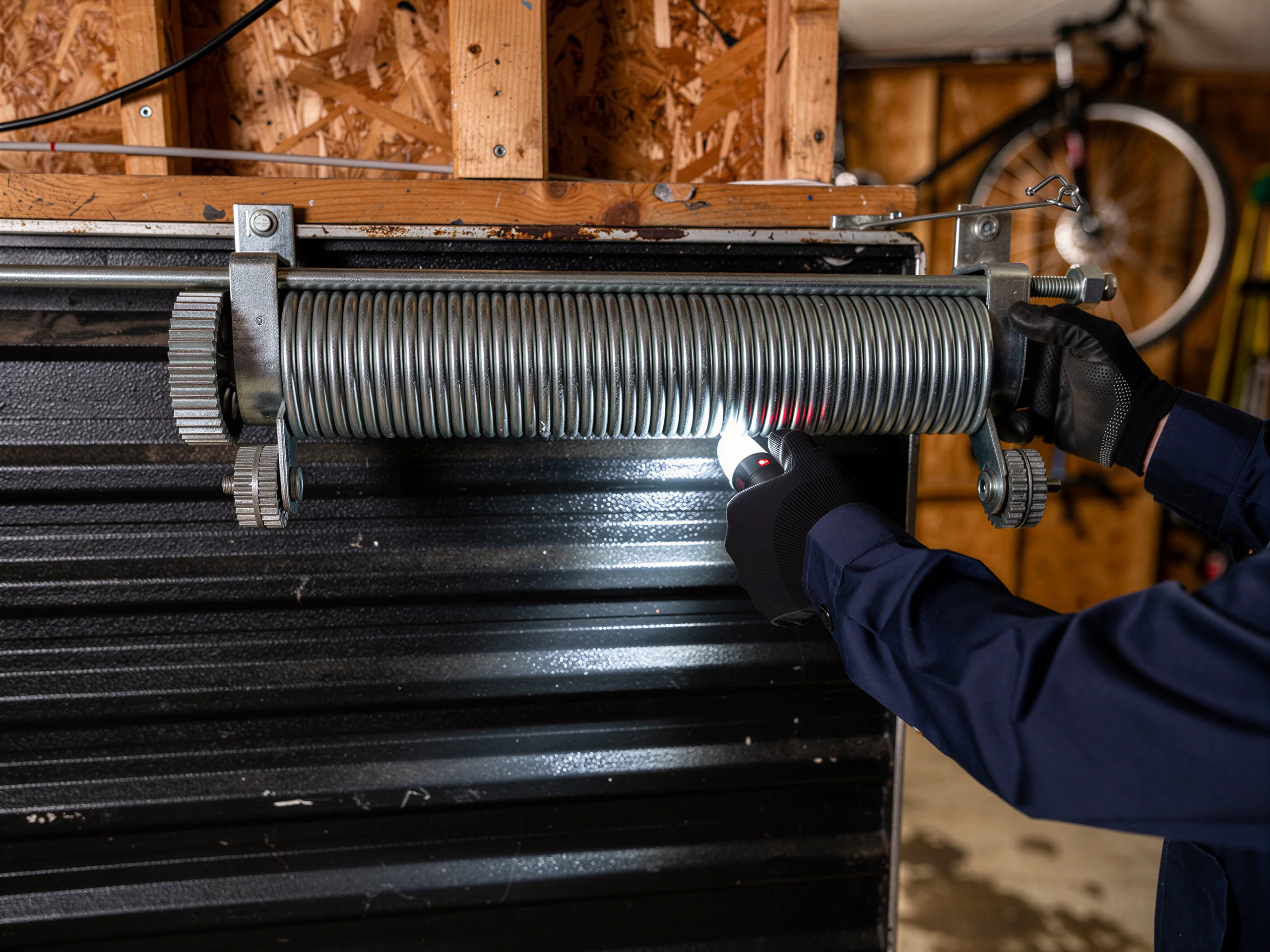
The spring is under enough tension to break bones, and on a house built in 1990 the spring, the cable, and the drum are probably original equipment that nobody has touched since the day it was installed.
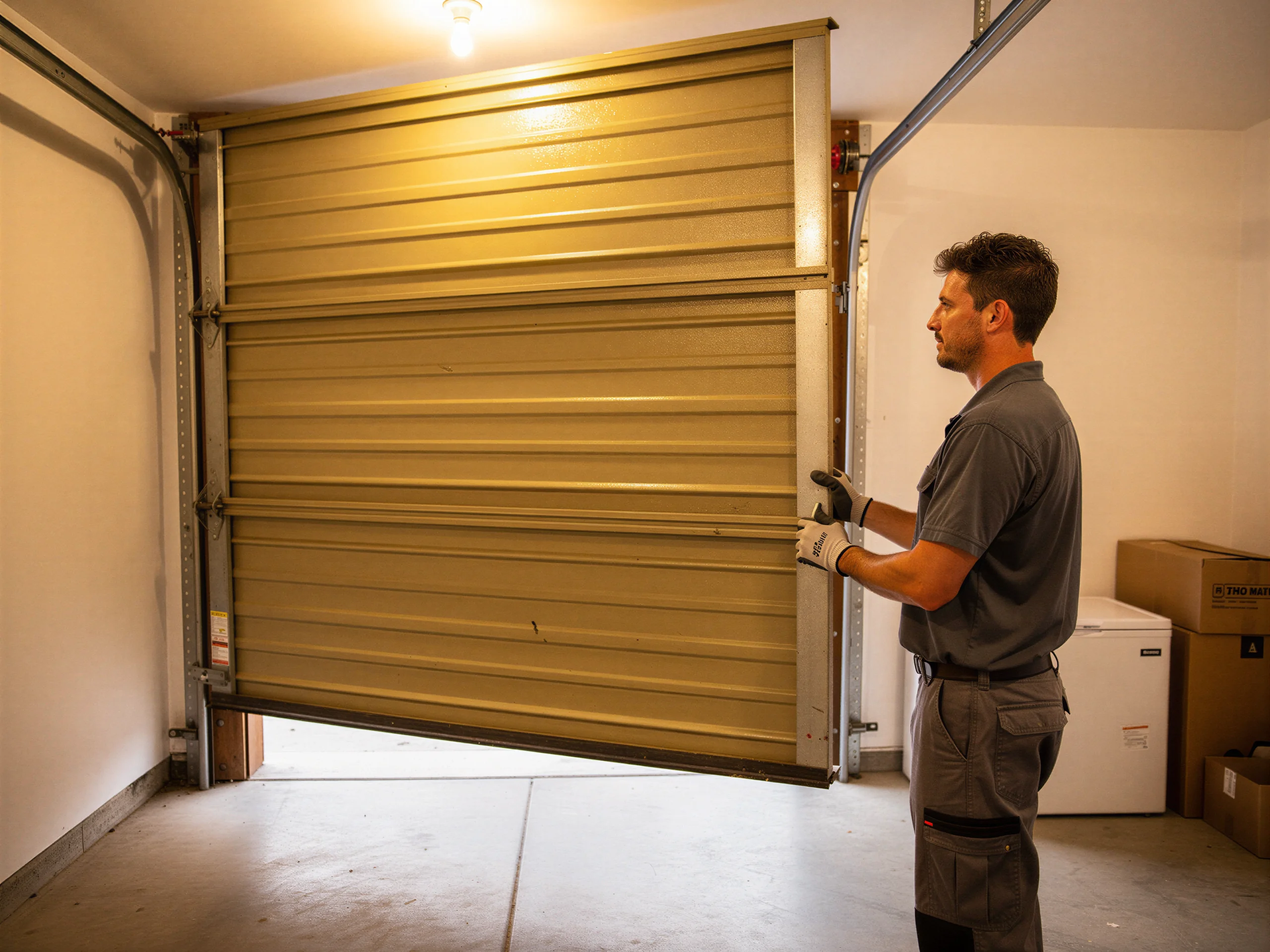
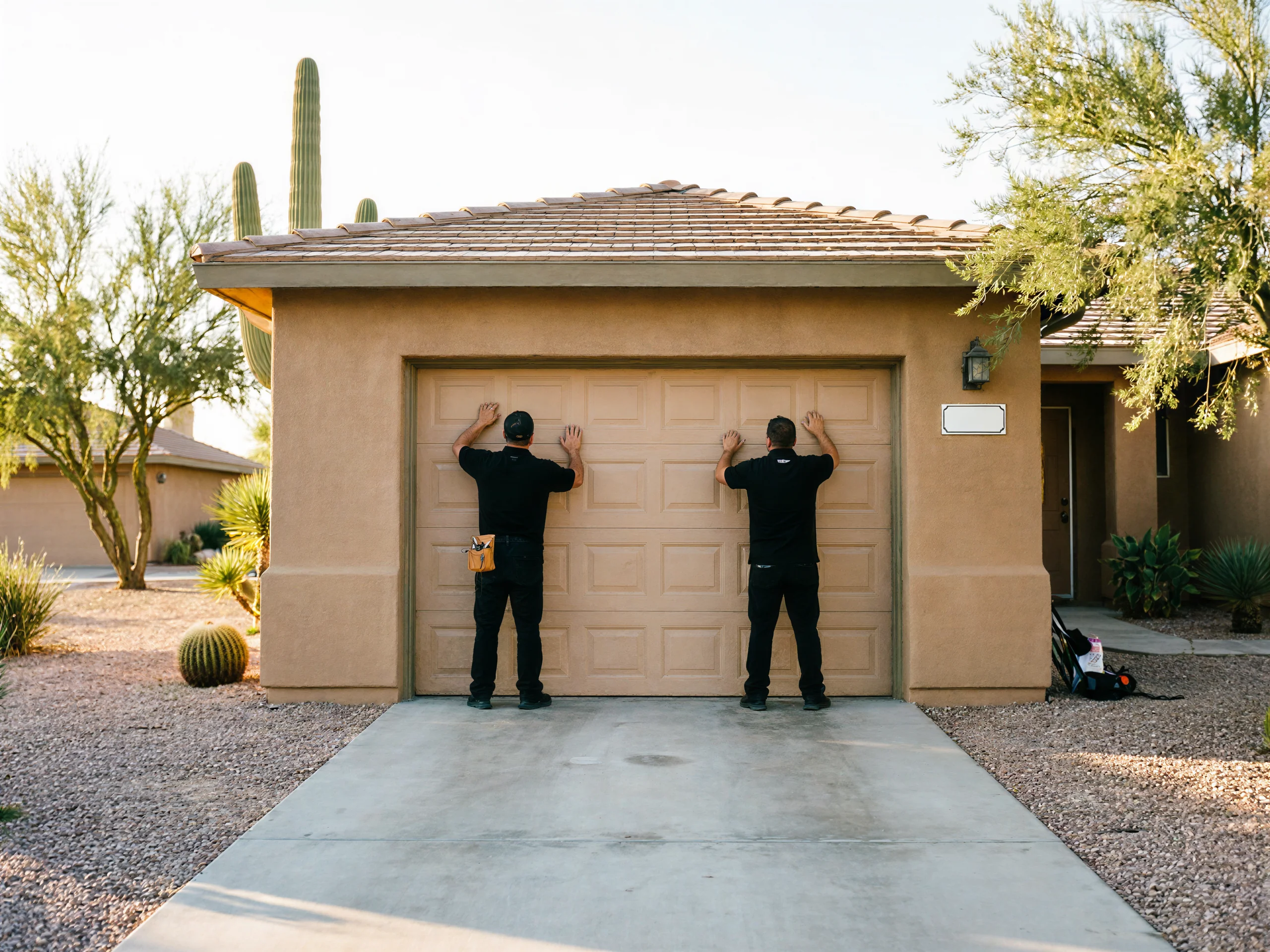
If the door won't budge, or one side is hanging lower than the other, stop pulling on it and call. Trying to force a panel back onto a bent track usually turns a repair into a full door replacement, which costs more than the job that was walking in the door.
Booking
We run out of Farmington, and Flora Vista sits about 6 miles out, so there's no branch office here and no crew standing by around the corner - the truck comes from Farmington for every call. That's a short drive, not a long one, and it's one of the closer runs we make compared to places like Bloomfield or Aztec further out. When you call, tell us the age of the house if you know it and what the door is doing (won't open, opens then stops, came off track). That lets us bring the right spring size and opener parts instead of guessing on-site, which matters more here than in newer subdivisions because the original hardware from 1990 isn't always what's sitting on the shelf at the supply house today.
Local causes
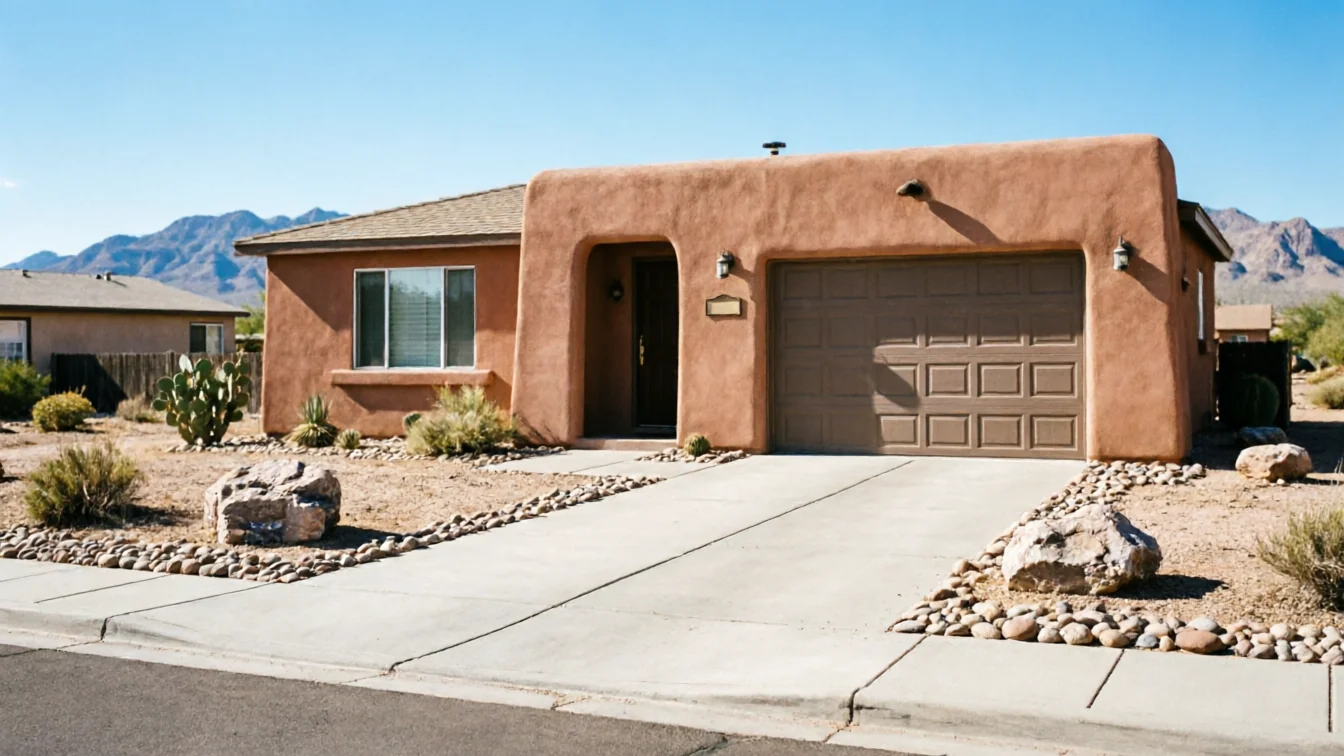
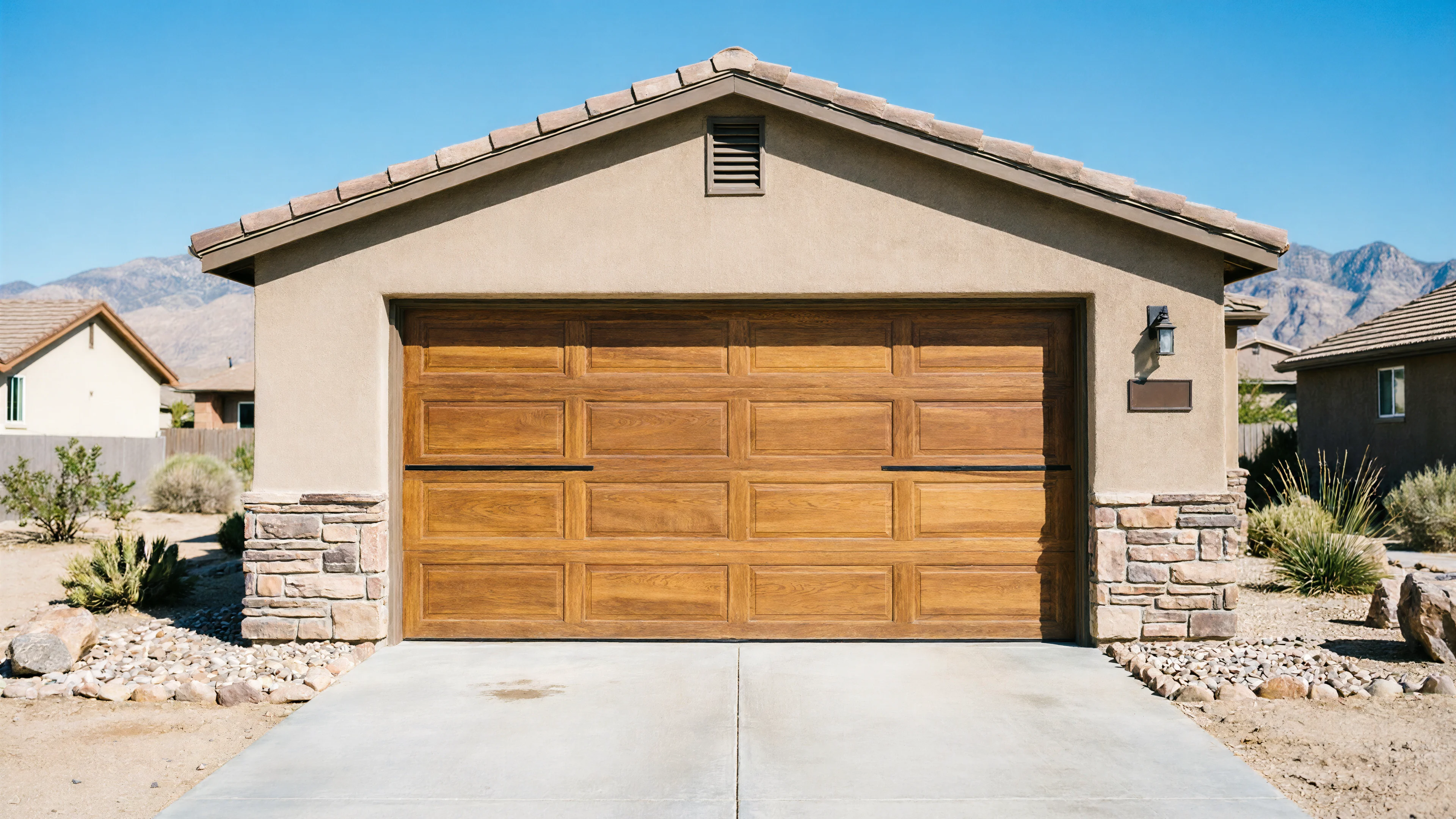
Flora Vista's housing stock lines up with the broader 1978-1993 build wave across this part of the Farmington area, with a median closer to 1990 here specifically. That means a lot of doors are still running on the torsion springs, extension cables, and chain-drive openers that came with the house. Springs have a rated cycle life, and a 35-year-old spring has usually seen more open-close cycles than it was built for, even in a household that doesn't use the garage much. Add the cold-climate swings this area gets - hard freezes that stiffen lubricant and shrink metal, then quick warm-ups - and the stress on old steel adds up faster than people expect. The failure you're calling about today has usually been building for years, not days.
Pricing
We don't have a flat number to quote you here, and we're not going to invent one. What a repair costs depends on whether it's a spring, a cable, an opener board, or a full section of panel, and whether the parts match what's already on the door or need an upgrade kit because the original hardware is long out of production.
What we can tell you is that in a lower-income service area like this one - median household income here runs under $44,000 - we try to repair before we replace whenever the door and track are still sound.
A new spring kit is almost always cheaper than a new door, and on a 1990-era door the frame and track are usually still fine even when the spring has failed.
Warning signs
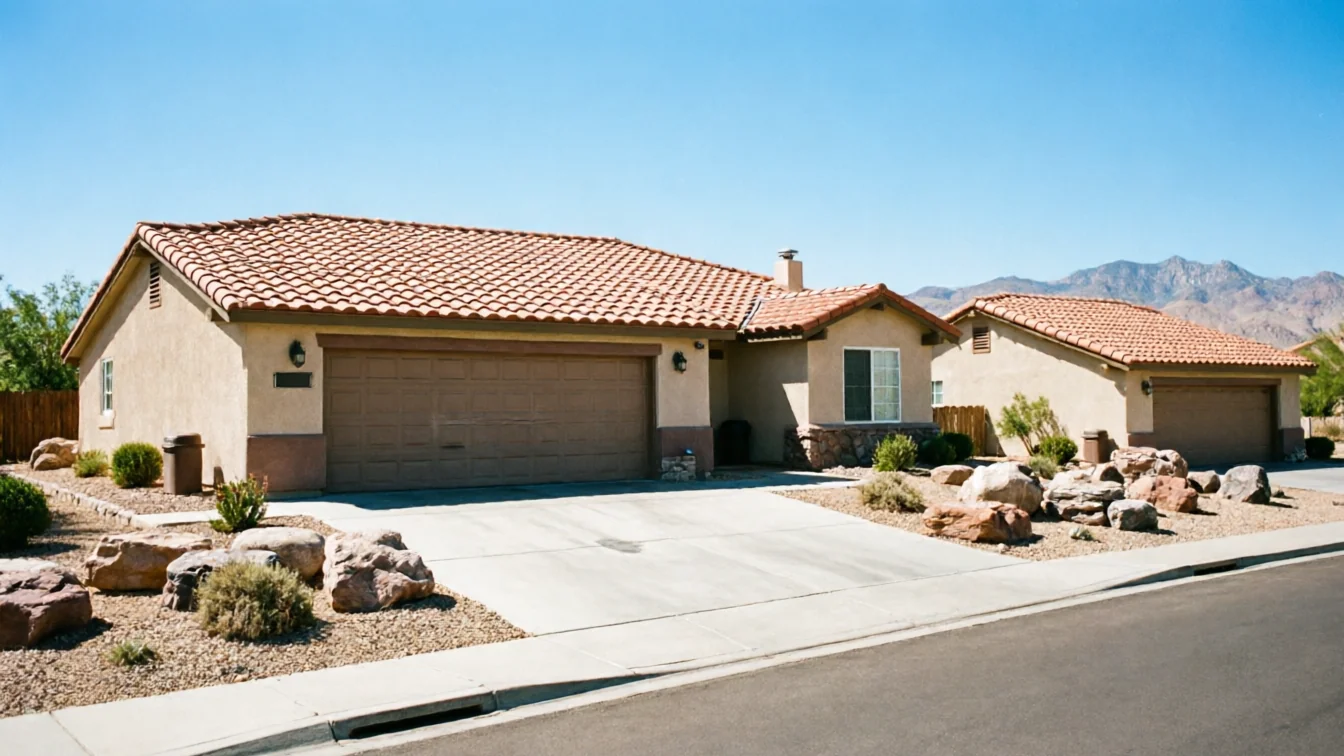
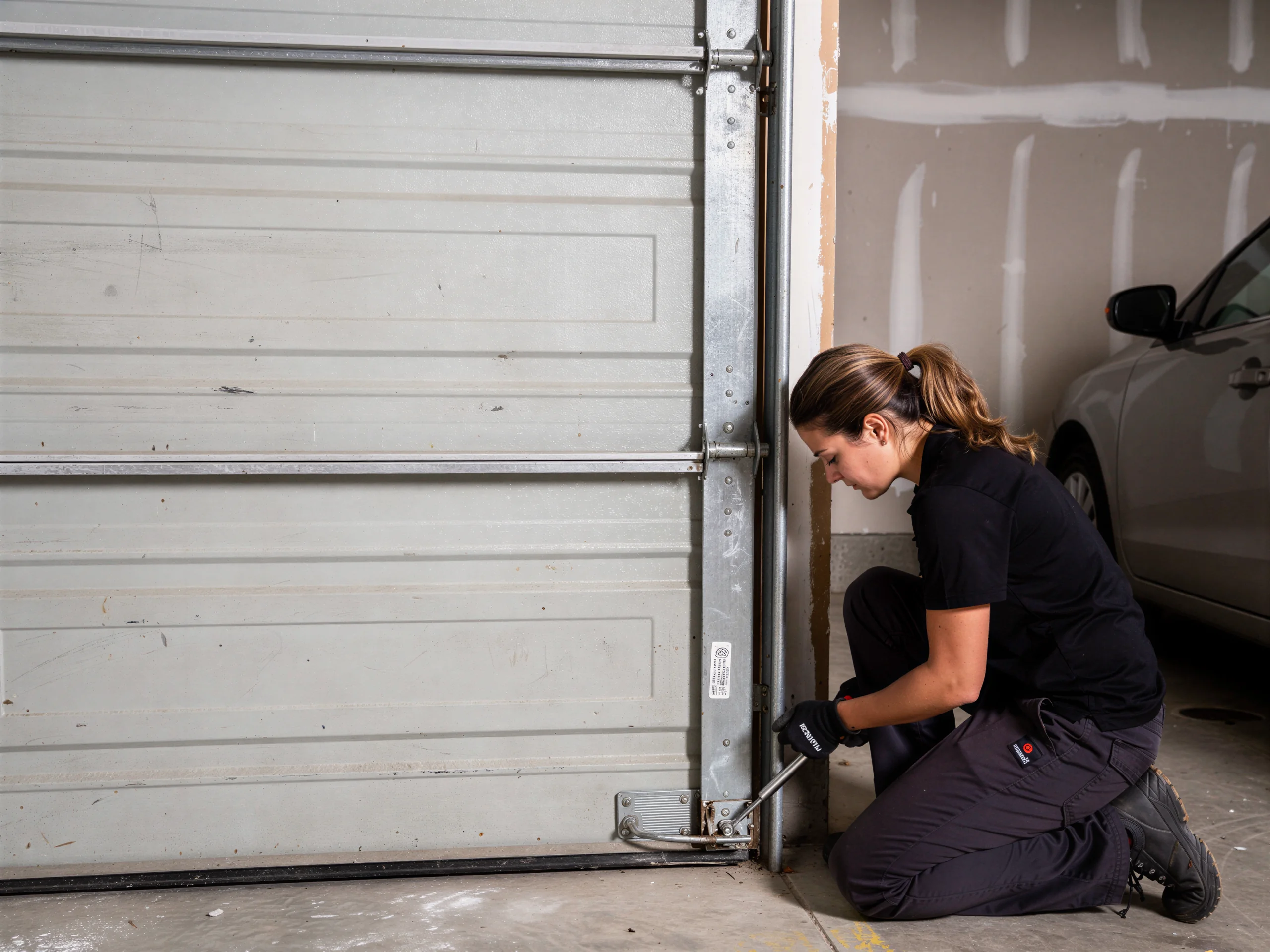
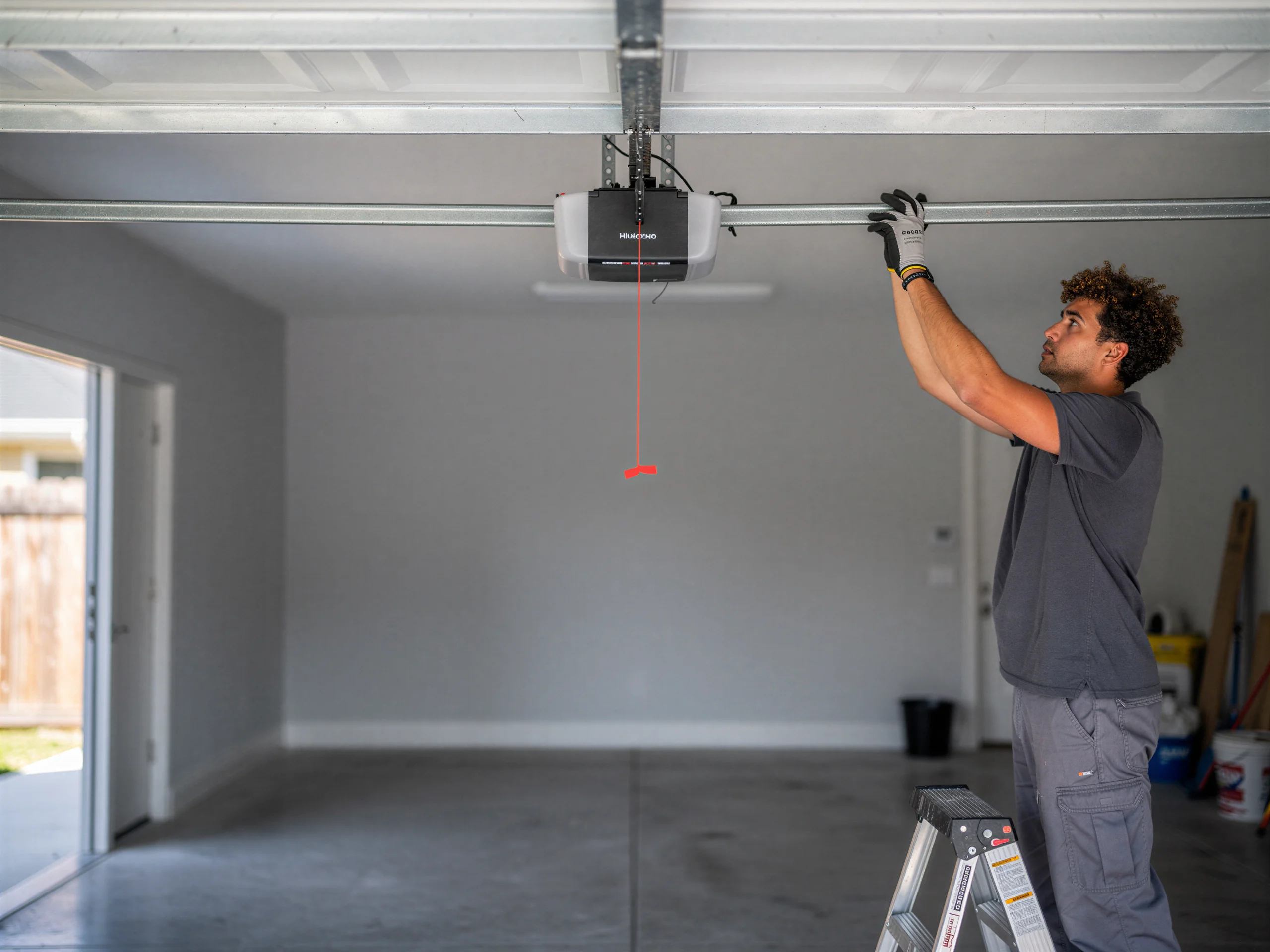
The most common call from this part of the service area is a door that slams down fast instead of lowering slowly, or one that won't lift at all and the opener motor just hums. Both point to a broken or badly stretched torsion spring. A door that opens a few inches then reverses is usually a sensor or a worn limit switch on an aging opener, not the spring. If one corner of the door is noticeably lower than the other when it's resting on the floor, that's often a cable that's frayed or come off the drum - common on original 1990s hardware that was never upgraded with the nylon rollers and coated cable that later systems use. None of these are things to force by hand.
Watch-outs
The job gets harder when someone's already tried to fix it. We see doors where a homeowner propped up a sagging panel with a 2x4 wedged against the track, or where a broken spring was replaced with the wrong size and the door now runs unevenly, chewing through rollers faster than normal. On a house this age, we also sometimes find the opener has been replaced once already but the spring, drum, and cable are still the 1990 originals - which means the new opener has been straining against worn-out lifting hardware the whole time. That mismatch is the single biggest reason a repair that should take an hour turns into a half-day job once we're actually under the door.
Questions
About 6 miles. We don't keep a crew stationed in Flora Vista itself - every call gets a truck sent out from Farmington, which is a shorter drive than several other towns we cover in this service area.
Usually yes, if the track and frame are straight. Springs, cables, and rollers wear out and get replaced; the door and track structure from a 1990-built house are often still solid. We'll tell you honestly if the door itself has had it.
Torsion springs have a cycle life and lose tension gradually, then fail suddenly. On a house built around 1990, a spring that's never been replaced has likely outlived its rated cycles, and cold snaps add extra stress to aging steel.
We carry common spring sizes and cables, but an opener board for a specific older model sometimes needs to be ordered. We'll tell you upfront if that's the case rather than guess on-site.
Explore more
Ready when you are
Farmington Garage Door Pros repairs and installs garage doors, springs and openers in Farmington, NM and the surrounding area.