
Blog
What We Actually Check When We Come to Your Door
A look at what a real service call covers for Farmington homes built 1978-1993, where cold winters and original hardware shape the job.
How Local Conditions Play In
Most houses we work on here went up between 1978 and 1993, with the median landing around 1985. That matters more than people think. A door from that era usually has the original torsion hardware, and after three or four decades the springs are either near the end of their cycle life or already past it. We're in a cold, severe climate band here, and that combination of age plus temperature swing is what actually breaks parts - cold-stiffened grease on rollers, brittle cable ends, springs that lose tension faster in winter. A service call on a house from this window isn't a generic tune-up. It's a check of specific parts that are specific ages, under a specific kind of stress.
Across the six areas we cover - which run from in-town out to Flora Vista, Upper Fruitland, Kirtland, Bloomfield, Aztec, and Waterflow - the housing stock is consistently 1980s-90s construction. That consistency actually helps us. We're not guessing at hardware generations; we know roughly what's behind the panel before we open the truck.
When to Call Someone
Call when the door is slow to open in the morning and fine by afternoon - that's a cold-weather symptom on original lubrication and springs, not something that fixes itself. Call when you hear a bang from the garage and the door won't move at all; on a 1980s-era torsion setup that's almost always a broken spring, and running the opener anyway strains the motor and can bend the track. Call if a cable has frayed or jumped the drum - that's not a tighten-it-yourself job.
Don't call for a door that's just noisy but moving fine and holding position. That's usually rollers needing lubrication, and it can wait for a routine visit instead of an emergency one. We'd rather tell you to hold off than run a truck out for something that isn't urgent.
The Situation
With 6,936 households across the service area and 2,935 owner-occupied houses, a good chunk of the doors we see are original or close to it - installed when the house was built in the 1978-1993 window and never replaced. Median household income here is $47,505, which means a lot of owners are weighing a $200 spring repair against a $1,200 door replacement, and that's a real decision, not a sales pitch. We tell people straight when a repair makes sense and when it doesn't.
The cold severe climate here means winter is when the calls spike - springs that were already tired from thirty-plus years of cycles finally give out when the temperature drops and the steel contracts. We see it every season, and it's not random.
What Most People Get Wrong
The biggest mistake: assuming a stuck door in winter is an opener problem. Nine times out of ten on a house from this era, it's the spring or the cold-thickened grease on the rollers and track, not the motor. Replacing an opener when the real issue is a worn torsion spring just means you've spent money and the door still won't move right on a cold morning.
The other mistake is treating all original hardware the same. A door installed in 1980 and one installed in 1992 can have different spring wind counts and drum sizes even on houses that look identical from the street. We don't guess - we check the actual spring before quoting anything. One honest limit: if a part is no longer made for your specific door, we'll tell you that up front rather than stringing out a repair that won't hold.
Questions
Common questions
Why does my garage door get stiff in winter but work fine in summer?
It's almost always the grease and the spring tension responding to cold. Houses here were mostly built 1978-1993, so the hardware is old enough that lubrication has thinned or dried, and steel springs lose some lift in severe cold. It's a seasonal symptom, not a sign the whole system is failing, but it's worth a check before a spring actually breaks.
Is it worth repairing a door from the 1980s or should I replace it?
Depends on the part that failed. A spring or cable repair on an otherwise sound door is usually the cheaper and faster fix. If the track is bent, the panels are rusted through, or parts for that specific hardware generation aren't made anymore, replacement ends up making more sense. We'll tell you which situation you're in before we quote anything.
Do you cover areas outside Farmington itself?
Yes - our service area includes Flora Vista, Upper Fruitland, Kirtland, Bloomfield, Aztec, and Waterflow, ranging from about 6 to 16 miles out. Housing stock across those areas is similar in age to Farmington's, mostly 1980s-90s construction, so the same hardware issues show up.
Recommendation
You Might Also Like
More garage door guides for Farmington homeowners.
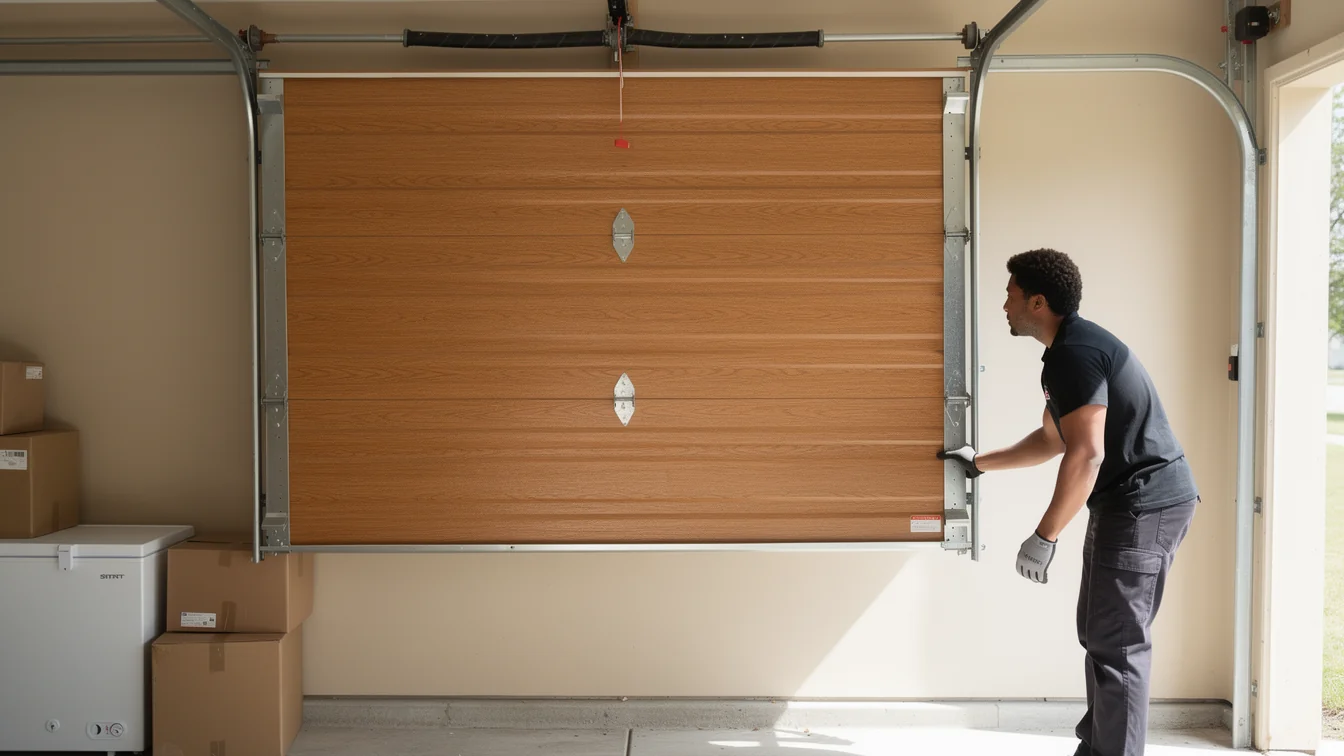
Why Farmington's 1980s Housing Stock Needs Different Garage Door Care
Farmington Garage Door Pros fixes torsion springs and openers on 1978-1993 built homes across Farmington, NM, where cold winters stress original hardware.
Read guide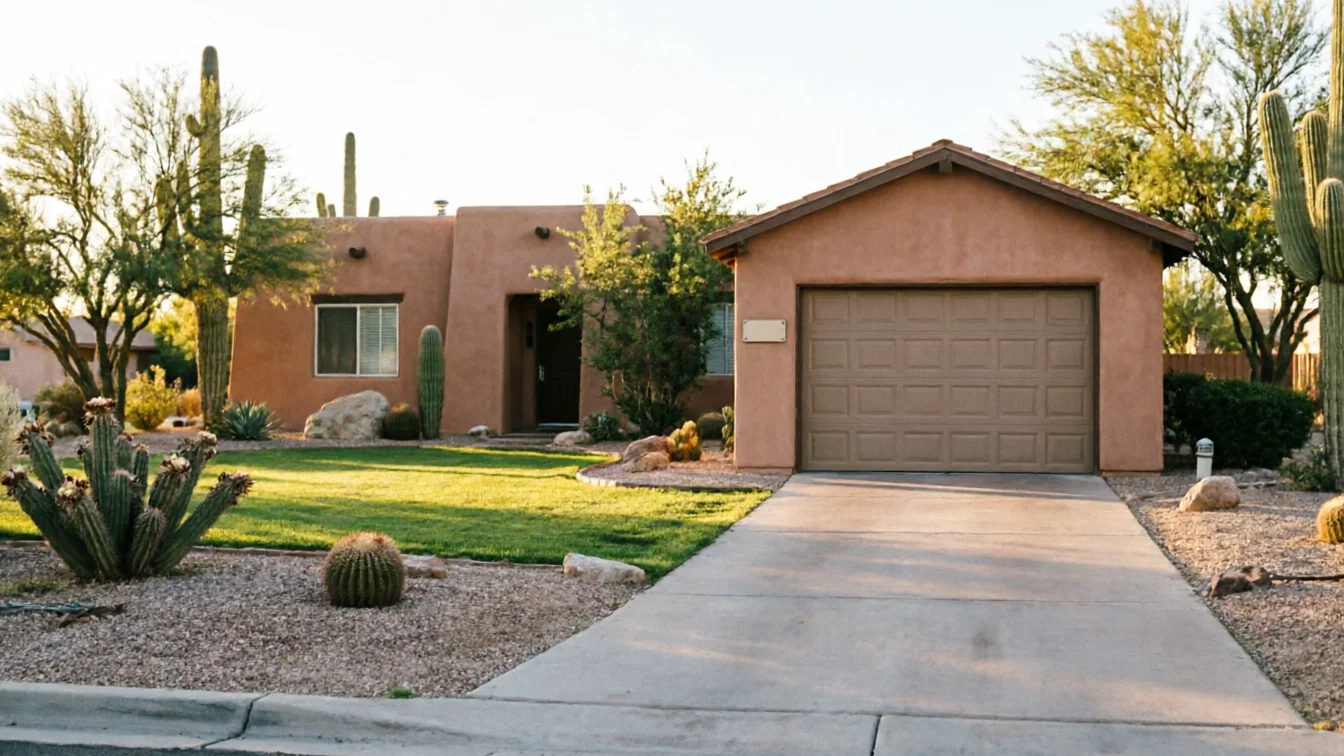
When the Power Goes Out: Openers in Farmington's 1980s Garages
How Farmington's 1980s-built houses and cold-severe winters affect garage door openers, and what actually fails when the power drops or the cold sets in.
Read guide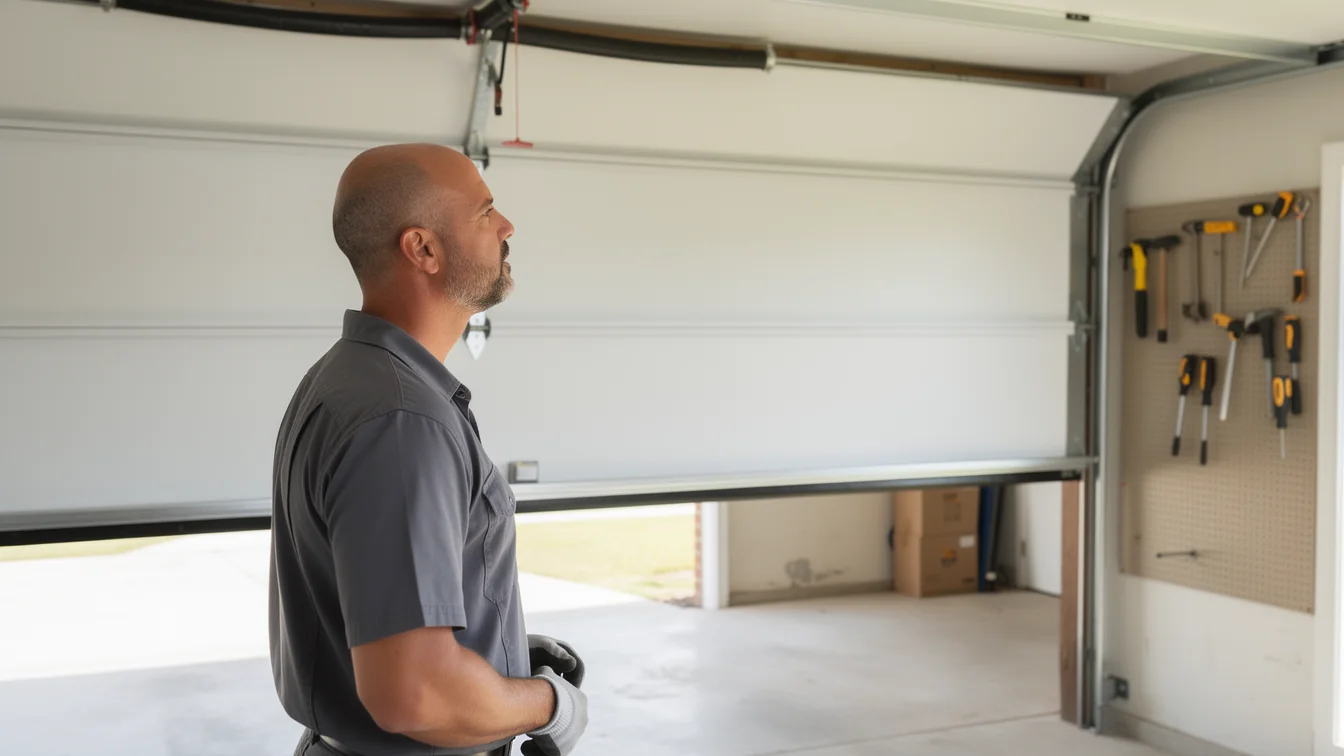
Why Cold Mornings Break Springs on Farmington's Older Doors
Why torsion springs on Farmington's 1978-1993 housing stock fail more often in severe cold, what the warning signs look like, and when a repair call is worth it.
Read guideReady when you are
Need a garage door sorted in Farmington?
Farmington Garage Door Pros repairs and installs garage doors, springs and openers in Farmington, NM and the surrounding area.